
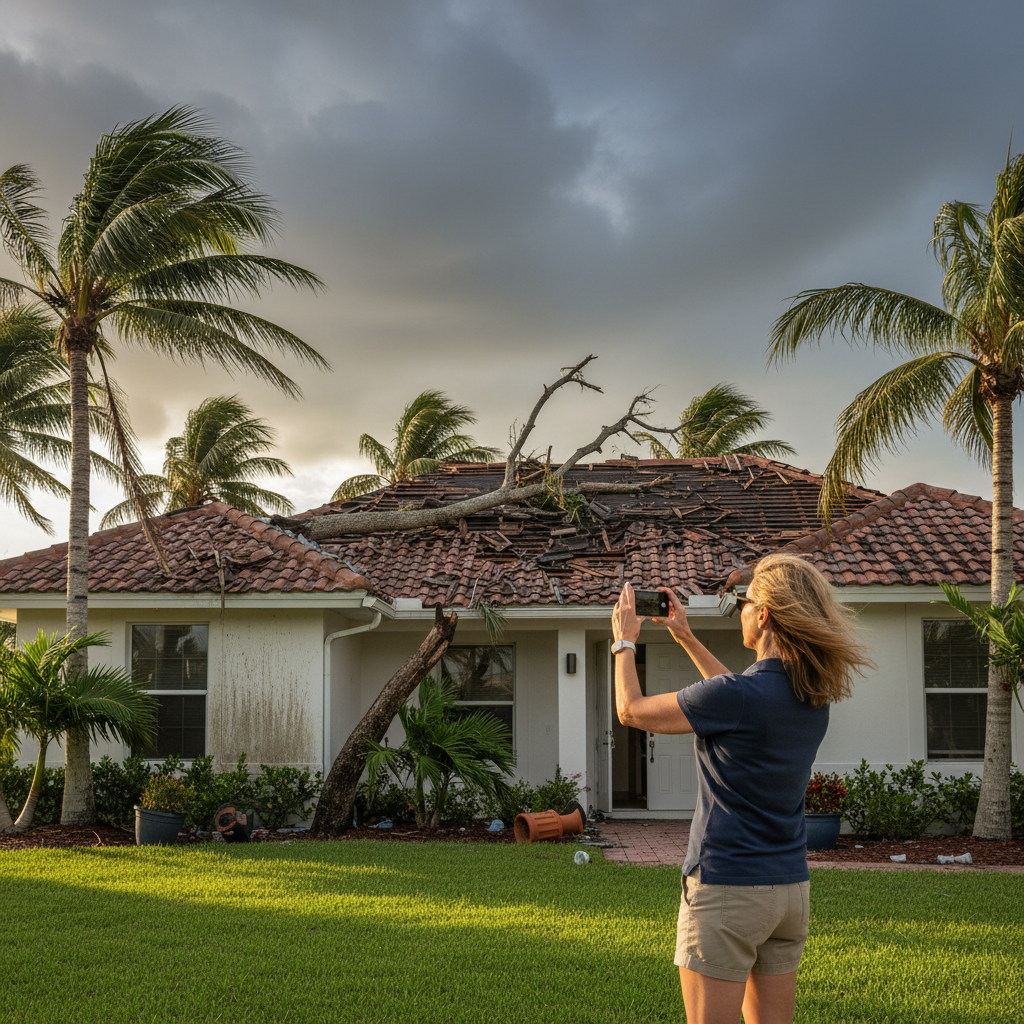
After a storm, most homeowners want one answer fast: how bad is the roof damage, and what happens next? The problem is that the roof often starts drying, shifting, or being cleaned up before anyone has properly documented what happened.
FEMA and Ready.gov both emphasize keeping records, saving receipts, and documenting damage as soon as it is safe to do so. For roofing, that early documentation helps inspections, repair decisions, and any insurance paperwork move with less friction.
Start with safety, not speed
Do not climb onto the roof just to get closer photos. If the structure may be compromised, keep the documentation to safe ground-level angles, interior damage, attic evidence, and visible exterior problem areas until a professional inspection happens.
Photograph these areas first
- Wide shots of every roof slope you can safely capture
- Close shots of missing shingles, damaged flashing, dents, torn vents, or impact points
- Gutters, downspouts, soffit, fascia, and siding where runoff or debris may have caused additional damage
- Interior ceiling stains, attic moisture, or active leaks
Write down the storm timeline while it is fresh
Note the date, approximate time, and what type of weather moved through the area. If neighbors saw debris impacts, tree movement, or sudden leaks at the same time, write that down too. Those details become harder to remember accurately a few days later.
Save receipts and temporary repair costs
If you buy tarps, buckets, fans, or emergency supplies to limit additional damage, keep those receipts. The same goes for temporary mitigation work that protects the home while you wait for a full roof inspection or repair plan.
Do not throw damaged materials away too quickly
If shingles, flashing pieces, or other roofing materials come off the structure and can be stored safely, keep them until the inspection and documentation process is complete. Physical evidence can help clarify what happened to the roof.
Get a roofing inspection before the damage spreads
Even when the damage looks minor from the ground, Florida storms can create hidden entry points around valleys, flashing, ridge lines, and penetrations. The faster the roof gets inspected, the less time water has to move into the structure.
KEY TAKEAWAYS
- Document from the ground and from inside the home first if the roof may be unsafe.
- Save photos, dates, receipts, and any storm-related temporary repair costs.
- A fast professional inspection helps turn documentation into a real repair plan.